Tuesday, March 10, 2026

Michigan Senator’s Wife Charged in Embezzlement Case Tied to Local Chamber of Commerce


A criminal case unfolding in Michigan has drawn attention after Kellie Lauwers

, the wife of state Sen. Dan Lauwers, was charged with multiple felonies related to alleged financial misconduct involving a small local business organization.

According to court records filed in 72nd District Court in Port Huron, Kellie Lauwers faces two felony charges: one count of embezzlement and one count of using a computer to commit a crime. Each charge carries a maximum penalty of up to 10 years in prison if she is convicted.

Investigation Into Missing Chamber Funds

The case stems from allegations involving the Yale Area Chamber of Commerce, a small organization in the rural farming community of Yale in St. Clair County.

Investigators say Lauwers served as the chamber’s treasurer from 2019 until February 2025, a position that gave her direct access to the organization’s financial accounts.

According to investigators with the Michigan State Police, an audit requested during the investigation identified approximately $35,200 in losses from the chamber’s funds.

The audit reportedly uncovered 11 suspicious financial transactions between December 2022 and July 2024, including:

  • Unauthorized cash withdrawals from the chamber’s bank account

  • Checks allegedly written to Lauwers and deposited into her personal accounts

  • A $4,000 transaction dated March 28, 2024, which investigators say was mobile-deposited and endorsed by Lauwers

Authorities also obtained a search warrant for Lauwers’ bank records, which investigators say helped identify the transactions in question.

Alleged Admission During Internal Meeting

The investigation report states that the chamber’s leadership confronted Lauwers about financial discrepancies during a meeting on Nov. 25, 2024.

According to the report, chamber officials told investigators that Lauwers acknowledged taking funds from the organization over several years during that meeting.

After the confrontation, investigators say Lauwers declined to provide any statement to law enforcement.

Civil Lawsuit Allegations

Separate from the criminal case, the Yale Area Chamber of Commerce previously filed a lawsuit accusing Lauwers of writing checks to herself from chamber accounts.

The suit also alleges she forged signatures to bypass the organization’s requirement that expenditures be approved by two authorized signatures.

Additionally, the complaint claims the chamber’s debit card was used for personal purchases, including transactions at retail stores such as Dollar General.

Attorney Response

Attorneys representing Lauwers say the public should not rush to judgment.

A statement issued by the law firm Manley & Manley, which represents her, said public perceptions of the charges could change “once the facts are presented.”

Attorney General’s Office

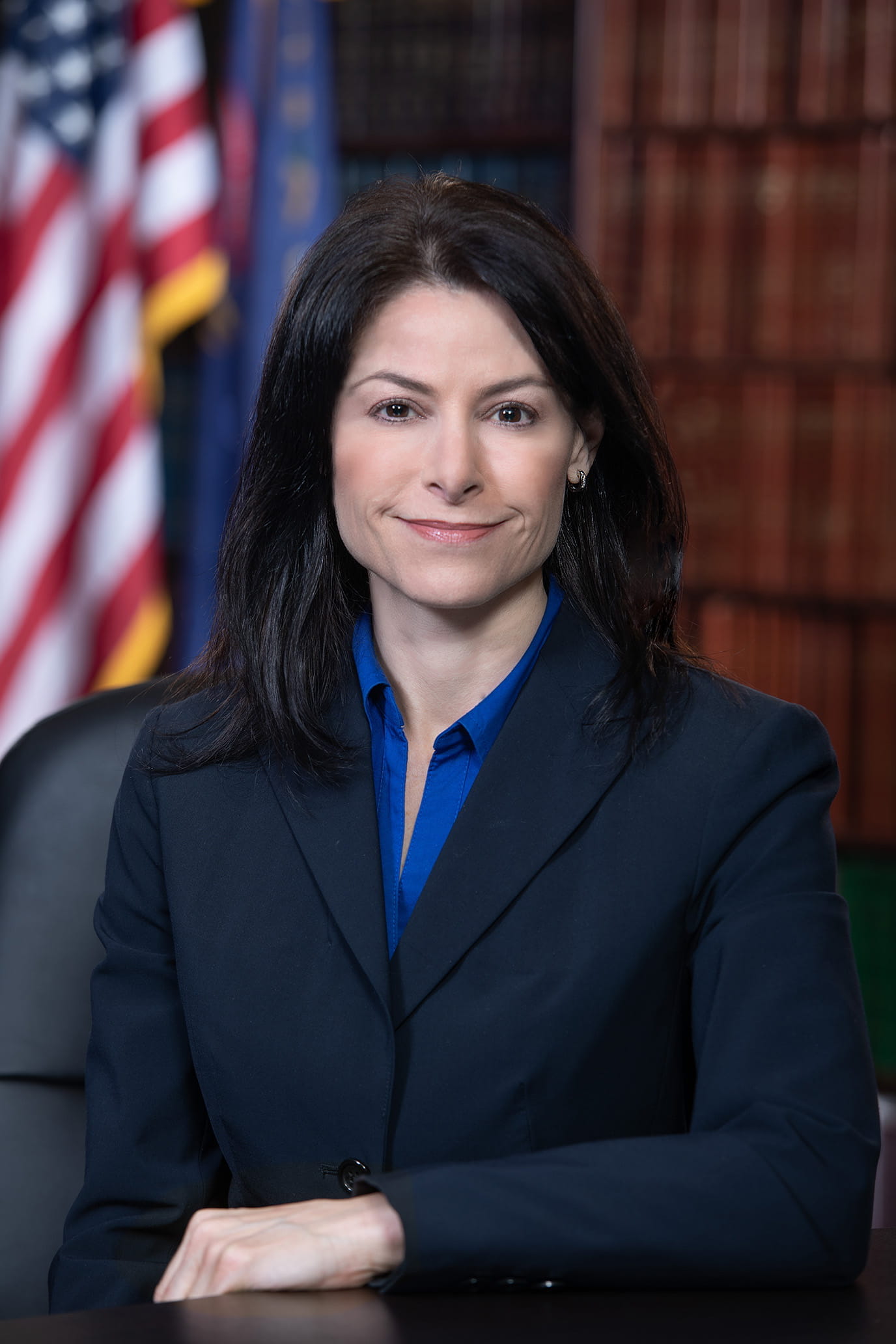
The case is being prosecuted by the office of Dana Nessel.

In a statement, Nessel emphasized the importance of financial integrity within organizations that support local businesses.

“Chambers of commerce play an important role in supporting small businesses and strengthening local economies,” Nessel said. “Individuals trusted with managing their finances are expected to do so with integrity.”

As of now, an arraignment date has not yet been scheduled.

Political Context

Sen. Dan Lauwers, a Republican representing Brockway Township, has served in the Michigan Legislature for more than a decade and currently holds the role of minority floor leader in the Michigan Senate.

He declined to comment publicly on the charges involving his wife.

Small Community Impact

The alleged financial misconduct has had a significant impact on the Yale Area Chamber of Commerce, which operates on a relatively small budget of about $80,000 annually.

The organization is best known locally for hosting the Yale Bologna Festival, a community event that helps support small businesses and tourism in the region.

For a town of roughly 2,000 residents, the case has placed a spotlight on the importance of financial transparency within community organizations that rely heavily on trust and volunteer leadership.

If convicted on both charges, Kellie Lauwers could face substantial prison time, though the legal process is only beginning and the allegations have yet to be tested in court.

Thursday, February 19, 2026

Michigan Gubernatorial Candidate Anthony Hudson Tells Dave Bondy He Is Leaving GOP for Libertarian Party


LANSING, Mich. — Michigan gubernatorial candidate Anthony Hudson told journalist Dave Bondy during an interview this week that he is leaving the Republican Party and joining the Libertarian Party, confirming he intends to continue his run for governor under his new political affiliation.

Hudson said the decision had not yet been announced publicly elsewhere and that Bondy was the Michigan Gubernatorial Candidate Anthony Hudson Tells Dave Bondy He Is Leaving GOP for Libertarian Party person outside his campaign to hear it.

“I wanted to tell you first before I told anybody, even social media, that I have decided to drop from the Republican Party,” Hudson told Bondy during the interview.

He emphasized that the move represented a complete break from the GOP rather than a temporary or symbolic shift.

“I’ll leave the party as a whole,” Hudson said. “And I have joined the Libertarian Party, and I’m going to continue to run under that platform.”

Hudson did not provide additional explanation during the interview regarding what prompted his departure from the Republican Party. He also did not outline any policy disagreements, campaign changes, or ideological shifts associated with the move, nor did he indicate when or whether he plans to release a broader public statement.

Ballot Access and Strategic Implications

While Hudson did not explicitly address ballot access during his conversation with Bondy, the timing of the announcement has drawn attention from political observers familiar with Michigan election law.

In Michigan, candidates seeking the Republican nomination for governor must collect and submit a significant number of valid nominating petition signatures to qualify for the primary ballot. Candidates who fail to meet those requirements are removed from the ballot regardless of campaign activity.

By contrast, the Libertarian Party does not require candidates to collect petitions to appear on the ballot. Instead, Libertarian nominees are selected through a party convention, after which the party certifies its candidate directly to the state.

Under Michigan law, signatures collected on Republican nominating petitions cannot be reused if a candidate later changes party affiliation, even if those signatures were never submitted. Once a candidate leaves the party, those petition sheets become legally unusable.

A Likely Strategic Reset

Given those rules, Hudson’s switch to the Libertarian Party is widely viewed as a strategic move that allows him to remain in the gubernatorial race without meeting the Republican Party’s petition thresholds.

Political insiders say the change strongly suggests Hudson did not have enough valid signatures to qualify for the Republican primary ballot and is now seeking nomination through the Libertarian Party’s convention process, which bypasses the petition requirement entirely.

Hudson has not publicly confirmed the status of his Republican petition effort and did not address signature totals during the interview.

What Comes Next

Hudson’s candidacy now hinges on the Libertarian Party’s convention, where delegates will determine the party’s gubernatorial nominee. If selected, Hudson would still appear on the general election ballot despite failing to qualify for the Republican primary.

The party switch marks one of the more notable tactical pivots in Michigan’s 2026 gubernatorial race and highlights how ballot access rules often shape campaign strategy long before voters ever cast a ballot.

Monday, February 16, 2026

The Record Is Clear: Melting Snow Has Never Caused an Air Quality Alert in Metro Detroit

Metro Detroit air quality is shaped by a combination of industrial emissions, traffic pollution, regional weather patterns, and long-range transport of pollutants such as wildfire smoke. While air quality advisories are issued regularly in Michigan, especially during summer ozone season or during major smoke events, advisories in February tied to melting snow are virtually unheard of.

A review of historical air quality advisory records confirms that there has never been a documented air quality alert issued in Metro Detroit specifically due to melting snow.

A Decade of Air Quality Advisory Records

Historical records from the Michigan Department of Environment, Great Lakes, and Energy show that nearly all Air Quality Advisories and Action Days in Southeast Michigan occur during warmer months. These advisories are overwhelmingly driven by elevated ground-level ozone or by particulate pollution associated with wildfire smoke drifting into the region.

Annual air quality monitoring reports consistently show that advisory days cluster between late spring and early fall. Summer ozone exceedances and smoke-related PM2.5 events dominate the data. Winter advisories are rare, and when they do occur, they are typically associated with temperature inversions trapping emissions near the surface, not with snowmelt.

Archived AirNow and MiAir data confirm this pattern. While wintertime particulate levels can fluctuate, there is no historical record of an advisory being issued in February because melting snow released trapped pollutants into the air.

What Historically Triggers Air Quality Advisories

Michigan air quality advisories have historically been issued for three primary reasons.

Wildfire smoke transported from Canada or the western United States, often producing multi-day PM2.5 exceedances during summer.

Ground-level ozone formation during warm, sunny conditions when nitrogen oxides and volatile organic compounds react in the atmosphere.

Occasional stagnant weather patterns that allow pollution to accumulate, almost always outside of deep winter months.

Snowmelt does not appear as a triggering factor in advisory records.

Winter Air Quality Trends in Metro Detroit

Air quality in Detroit and Southeast Michigan typically improves during winter months. Colder temperatures suppress ozone formation, and snow cover along with frequent precipitation helps remove particulates from the air.

While temperature inversions can occasionally trap pollution near the surface during winter, historical monitoring shows that these events rarely rise to the level required for an official advisory. Importantly, there is no evidence in historical advisory logs that melting snow in February has ever caused particulate levels high enough to trigger an alert.

Day-to-day winter air quality variations are common, but formal advisories remain strongly seasonal.

The February 2026 Advisory Context

The February 2026 Air Quality Advisory issued for Southeast Michigan drew attention precisely because it was unusual. It occurred during a mid-winter warmup combined with stagnant atmospheric conditions that limited dispersion of fine particulates.

Even in this case, agencies described the advisory as atypical for February. Historical data indicates this event stands alone not because snowmelt advisories are common, but because they essentially do not exist in the historical record.

Why Melting Snow Rarely Creates Air Quality Alerts

Snow acts as a temporary sink for pollutants over the winter, collecting dust, vehicle residue, and airborne particulates. However, several factors prevent snowmelt from becoming an air quality driver.

Snow usually melts gradually or refreezes, preventing sudden releases of particles into the air.

February weather patterns typically include fronts and wind systems that disperse pollutants.

The amount of particulate matter released during snowmelt has historically been insufficient to meet advisory thresholds.

As a result, February snowmelt has never been a documented cause of an air quality alert in Metro Detroit.

Looking Ahead

Michigan’s MiAir monitoring system continues to provide comprehensive real-time and historical air quality data statewide. Understanding long-term trends remains critical as climate variability introduces new and unusual conditions.

However, based on available historical records, one conclusion is clear. Metro Detroit has never experienced an air quality alert issued specifically due to melting snow in February, making such claims unsupported by the data.


Sunday, February 15, 2026

Foreign Governments Own Michigan Land And No One Voted for It


Foreign ownership of Michigan land is no longer abstract. It is quantified, documented, and deeply troubling.

Federal disclosures and investigative reporting show that Singapore, through its sovereign wealth fund, owns more than five hundred forty thousand acres of land in Michigan’s Upper Peninsula. That single foreign government controls roughly five percent of the entire Upper Peninsula. This land is not symbolic. It is working timberland and agricultural land that directly affects Michigan’s economy, environment, and rural communities.

Singapore is not an outlier. Foreign entities collectively own approximately one point nine million acres of agricultural land in Michigan. That represents nearly nine percent of all farmland in the state. When forest land classified as agricultural is included, foreign controlled acreage is heavily concentrated in northern Michigan and the Upper Peninsula.

Canada, European countries, and other foreign investors also hold significant portions of Michigan land through corporations, holding companies, and investment vehicles. In many cases, the true foreign owners are concealed behind layered corporate structures, making local oversight and accountability effectively impossible.

This did not happen because Michigan voters chose it. It happened because state and federal law treat farmland as a financial asset rather than a strategic resource. Disclosure laws exist but are weak. Enforcement is minimal. Penalties are negligible. The system is designed to record ownership after the fact, not to prevent the loss of control in the first place.

The consequences are real. Farmland is tied to food security, water resources, environmental stewardship, and local economic stability. When ownership shifts overseas, Michigan residents lose influence over how land is managed, harvested, conserved, or sold. Decisions that affect Michigan communities are made by foreign governments and investors with no accountability to the people who live on or near the land.

Lawmakers often respond by proposing transparency measures or future purchase restrictions. That response ignores the core issue. Nearly nine percent of Michigan farmland is already foreign owned. Five percent of the Upper Peninsula is already controlled by a single foreign government. Registration does not reverse that reality.

No serious nation claims to value sovereignty while allowing foreign governments to accumulate vast portions of its agricultural land. Michigan cannot claim to protect its future while exporting control of its land without debate, without consent, and without a strategy to reclaim it.

If land equals power, then Michigan is surrendering power quietly and calling it investment.

Across the United States, many states have already concluded that unrestricted foreign ownership of land poses a risk to sovereignty, food security, and public accountability. Michigan is not acting in a vacuum. It is lagging behind.

Several states have enacted outright bans or strict limits on foreign ownership of agricultural land and strategic property.

Arkansas has one of the strongest enforcement records. The state prohibits prohibited foreign parties from owning agricultural land and has already forced a foreign linked company to divest thousands of acres of farmland. This was not symbolic legislation. It was enforced.

Florida passed legislation prohibiting certain foreign nationals, including those connected to hostile foreign governments, from purchasing land in the state unless they are U.S. citizens or lawful permanent residents. Courts have upheld the law, recognizing the state’s authority to regulate land ownership in the interest of security and sovereignty.

Texas enacted a sweeping ban that prevents individuals domiciled in specific foreign adversary nations from acquiring any interest in land, including agricultural property. The law treats land ownership as a strategic issue rather than a passive investment decision.

Idaho, Iowa, Minnesota, Missouri, North Dakota, South Dakota, Nebraska, Kansas, and other Midwestern and Plains states maintain long standing restrictions on foreign ownership of agricultural land. Some impose acreage caps. Others require divestment. Many restrict ownership to citizens or resident entities. These laws have existed for decades and reflect a regional consensus that farmland should remain under domestic control.

Hawaii restricts foreign ownership of certain public lands, recognizing the unique geographic and resource constraints of the state. Oregon similarly limits access to state owned land, reserving ownership for citizens or those with a clear path to citizenship.

In total, more than thirty states now enforce some form of restriction on foreign land ownership. Some focus on agricultural land. Others target property near military bases, critical infrastructure, or water resources. Many states combine bans with mandatory reporting and enforcement mechanisms.

These laws are not rooted in hostility toward foreign people. They are grounded in a basic principle. Land is not just property. It is power. It determines who controls food production, water access, environmental management, and long term economic stability.

Michigan currently allows millions of acres of its farmland to remain under foreign control while debating transparency measures that do not reclaim ownership or limit influence. Other states have already acted. They drew clear lines. Michigan has not.

If Michigan fails to follow suit, it is not because the tools do not exist. It is because the political will has not yet caught up to the reality on the ground.


Tuesday, February 10, 2026

Ringleaders in Michigan Signature Fraud Scheme Convicted, Sentencing Set


Mount Clemens, Mich. — Two men identified by prosecutors as the ringleaders of a widespread signature fraud scheme that blocked multiple judicial and gubernatorial candidates from appearing on Michigan’s August 2022 primary ballot will be sentenced next month, following a jury verdict finding them guilty of forging citizen signatures.

The jury concluded that the defendants orchestrated a coordinated operation to submit fraudulent nominating petitions, using forged names and falsified voter information to satisfy Michigan’s ballot-access requirements. The scheme ultimately led to the disqualification of several candidates after election officials determined that thousands of petition signatures were invalid.

According to prosecutors, the fraud was not accidental or isolated. Investigators uncovered repeated handwriting patterns, duplicate signatures across multiple petitions, and signatures attributed to voters who testified under oath that they never signed the documents. Some signatures were linked to individuals who were deceased or no longer registered to vote in Michigan.

The fraudulent petitions triggered alarm within the Secretary of State’s office due to unusually high rejection rates. A broader investigation by the Michigan Attorney General’s office revealed a centralized operation involving paid circulators and mass forgery, rather than simple clerical errors.

Because the fraudulent signatures were intermingled with legitimate ones, courts ruled that entire petition submissions had to be invalidated, resulting in the removal of multiple candidates from the primary ballot. Judges later affirmed those decisions, citing the scale of the fraud and the impossibility of separating valid signatures from forged ones.

During trial, prosecutors described the scheme as a direct assault on democratic access, arguing it manipulated the electoral process by deciding who voters were allowed to choose before any votes were cast.

“This case was about gatekeeping democracy through fraud,” prosecutors told jurors. “The defendants didn’t just break the law — they distorted the election itself.”

Defense attorneys argued their clients were unaware of the forgeries and blamed individual petition circulators. The jury rejected that defense, finding the evidence showed leadership, coordination, and intent.

The men now face potential prison sentences, fines, and election-related penalties. Sentencing is scheduled for next month in Macomb County Circuit Court.

State officials say the case has already prompted increased scrutiny of nominating petitions and reinforced the consequences of election-related fraud.

As sentencing approaches, the case stands as one of Michigan’s most consequential election integrity prosecutions — not for altering vote totals, but for corrupting the process that determines which candidates voters are allowed to see on the ballot.

Friday, February 6, 2026

Iron Pig Smokehouse Cordon Sparks Renewed Legal Clash With Michigan Attorney General


GAYLORD, Mich. — Iron Pig Smokehouse’s downtown location was cordoned off with police tape late Wednesday night, reigniting a long-running legal dispute between the Gaylord restaurant and the State of Michigan that dates back to the earliest days of the COVID-19 pandemic.

The closure occurred at approximately 10:56 p.m. on February 5, according to a public statement released by Iron Pig. As of Thursday morning, no detailed public explanation had been issued identifying the specific enforcement authority responsible for the action.


No Prior Notice, Restaurant Says

Iron Pig stated it received no prior notice before the location was restricted, despite what it claims are statutory notice requirements for certain regulatory actions.

The restaurant said the action may involve the Michigan Liquor Control Commission, though it emphasized that this had not yet been formally confirmed. Local law enforcement assisted in securing the site, but Iron Pig stressed it has no dispute with local authorities.

“Our local authorities are always great to work with,” the business said in a statement.


Action Follows Supreme Court Filing

The enforcement action came three days after Iron Pig filed an application for leave to appeal with the Michigan Supreme Court, seeking to challenge additional provisions of the Michigan Public Health Code.

In its filing, Iron Pig argues that statutes including MCL 333.2253 and MCL 333.2453 are unconstitutional and materially similar to emergency powers previously invalidated by Michigan courts.

The restaurant’s owners contend that the state is continuing to enforce provisions that lack constitutional authority, an argument that has been central to their legal strategy since 2020.


Five-Year Anniversary of 2020 Closure Order

The timing of the action also coincided with the five-year anniversary of a 2020 Temporary Restraining Order that forced Iron Pig to close during the pandemic.

At the time, the restaurant was warned it could face jail or fines for noncompliance with state emergency orders. Subsequent court rulings later determined that the governor’s emergency authority had been unlawfully extended, invalidating key enforcement mechanisms used during that period.

Iron Pig has repeatedly argued that while the emergency orders were later struck down, businesses subjected to enforcement were never made whole.


State Denies Targeting

State officials have consistently denied claims that Iron Pig has been singled out for retaliation, maintaining that regulatory actions are routine and based on compliance issues, not political or legal disputes.

Attorney General Dana Nessel’s office has defended Michigan’s regulatory framework and has not publicly commented on the latest action as of publication.


Business Remains Operational Elsewhere

Iron Pig confirmed that its new location remains open and said it plans to continue operating while it gathers more information about the enforcement action.

“We always have a plan,” the business said.

 A timeline of Conflict

What follows is a chronological timeline of the events that have defined the standoff between Iron Pig and state authorities under Attorney General Dana Nessel.


2020 — Emergency Orders and Forced Closure

  • Early 2020: In response to the COVID-19 pandemic, Michigan issues a series of emergency executive and health orders affecting restaurants and bars statewide.

  • Iron Pig refuses full compliance, disputing the legal authority underpinning the orders.

  • State enforcement escalates rapidly.

  • Iron Pig is threatened with jail if it does not close immediately.

  • A Temporary Restraining Order (TRO) is issued in Lansing, compelling closure.

  • Iron Pig publicly argues the orders exceed constitutional authority and violate due process.

This moment becomes the foundation of Iron Pig’s long-running claim: that it was targeted not for safety violations, but for defiance.


2021–2022 — Courts Undercut Emergency Authority

  • Michigan courts rule that the Governor’s emergency powers were unlawfully extended, invalidating key mechanisms used to justify pandemic enforcement.

  • Despite these rulings, Iron Pig contends that the damage from earlier enforcement was never remedied, and accountability was never imposed on state actors.

  • The restaurant continues operating under heightened scrutiny.


2023–2024 — Regulatory Pressure Continues

  • Iron Pig reports ongoing inspections, compliance actions, and licensing pressure, particularly involving alcohol and health code statutes.

  • The business maintains that enforcement is selective and disproportionate, compared to similarly situated establishments.

  • State officials deny any targeting and maintain actions are routine regulatory enforcement.


Monday, February 2, 2026 — Supreme Court Appeal Filed

  • Iron Pig files leave to appeal with the Michigan Supreme Court.

  • The appeal challenges additional Michigan Health Code statutes, arguing they are constitutionally indistinguishable from provisions already struck down by courts:

    • MCL 333.2253

    • MCL 333.2453

  • The filing directly questions whether Michigan agencies are continuing to enforce laws that lack constitutional grounding.


Wednesday Night, February 5, 2026 — Iron Pig Cordon Off

  • At approximately 10:56 p.m., Iron Pig’s downtown Gaylord location is cordoned off with police tape.

  • No public explanation is immediately provided.

  • Iron Pig states it received no prior notice, despite statutory requirements for notice in certain regulatory actions.

  • The business suggests the action may involve the Michigan Liquor Control Commission, though confirmation is not provided at the time.

Notably, the closure occurs:

  • Days after Iron Pig’s Supreme Court filing

  • On the five-year anniversary of the 2020 TRO and closure threat

Iron Pig publicly characterizes the timing as “impossible to ignore.”


Official Response and Public Messaging

  • Iron Pig states it is cooperating with local authorities, emphasizing that the dispute is with state-level enforcement, not local law enforcement.

  • The business announces that its new location remains open, signaling continuity despite pressure.

  • The owners reiterate: “We always have a plan.”


The Central Dispute

At the heart of the conflict are unresolved questions:

  • Can Michigan continue enforcing health and regulatory statutes rooted in powers courts have already rejected?

  • Does selective enforcement constitute retaliation when a business openly challenges state authority?

  • Why do enforcement actions appear to coincide with major legal filings?


Broader Legal Implications

Legal observers say the dispute raises broader questions about:

  • The scope of state administrative power

  • Due process protections for businesses

  • Whether regulatory enforcement can be used as leverage against litigants challenging state authority

If the Michigan Supreme Court agrees to hear Iron Pig’s appeal, the case could further clarify the limits of public health enforcement and regulatory power in Michigan.


Tuesday, February 3, 2026

New SNAP Work Requirements Take Effect in Additional States Starting February 1, Including Michigan


Washington, D.C. — Expanded work requirements for recipients of the Supplemental Nutrition Assistance Program (SNAP) are taking effect in additional states beginning February 1, including Michigan, potentially impacting millions of low-income Americans who rely on the program to help pay for groceries.

SNAP, commonly known as food stamps, currently serves about 42 million people, or roughly one in eight Americans, according to federal data. The program is administered by the U.S. Department of Agriculture (USDA), which is implementing new rules as part of a broader effort by the Trump administration to reduce waste, fraud, and abuse.

Under changes enacted through a tax and spending law signed in July, many adult SNAP recipients must now work, volunteer, or participate in job training for at least 80 hours per month to remain eligible. Individuals who fail to meet the requirement are limited to three months of benefits within a three-year period.

Expanded Eligibility Rules

Previously, work requirements applied only to able-bodied adults ages 18 to 54 without dependents. The new law expands those requirements to include adults ages 55 to 64 and parents whose children are age 14 or older.

The changes also eliminate longstanding exemptions for homeless individuals, military veterans, and young adults aging out of foster care. In addition, the law restricts states’ ability to waive work requirements in regions with limited employment opportunities.

Michigan-Specific Requirements

In Michigan, the expanded SNAP work requirements take effect February 1, according to state officials.

Michigan recipients who fall under the new rules will be required to document at least 80 hours per month of employment, approved volunteer service, or participation in a qualifying job training or employment program. Individuals who do not meet or properly report these requirements may lose benefits after three months within a 36-month period.

The Michigan Department of Health and Human Services (MDHHS) has advised affected recipients to expect written notices, phone calls, or electronic communications outlining their obligations and deadlines. Recipients must submit verification through the state’s MI Bridges system or directly through their local MDHHS office.

State officials have warned that failure to submit paperwork, even when a recipient is working, could result in the suspension or termination of benefits.

State-by-State Rollout

The timing of the new rules depends on when each state implemented the policy.

  • Texas began enforcing the requirements in October, meaning some recipients may have already exhausted their three months of benefits as of January 1.

  • States including Alaska, Colorado, Georgia, and Hawaii began the clock in November, with benefit losses possible in early February.

  • Michigan, Ohio, and Illinois begin enforcement on February 1, with Ohio requiring documentation of work activity starting in March.

  • California currently maintains a statewide waiver due to unemployment conditions, which is scheduled to remain in effect until January 2027.

Some regional waivers remain in place nationwide, though many have already expired or are set to end soon.

What Recipients Should Know

SNAP recipients affected by the new requirements must submit additional documentation to verify work or training participation. Advocacy groups urge recipients to respond promptly to notices from their state SNAP offices and to maintain records of hours worked or activities completed.

Failure to comply with reporting requirements may result in loss of benefits, even for recipients who are otherwise eligible.

Impact and Scope

According to the Congressional Budget Office, the new requirements are expected to reduce the average monthly SNAP caseload by approximately 2.4 million people over the next decade.

While most SNAP recipients live in households below the federal poverty line — about $33,000 annually for a family of four — federal data show that nearly two in five SNAP households include at least one working individual. More than 60 percent of recipients live in families with children, and over one-third live in households that include seniors or people with disabilities.

The average SNAP benefit is approximately $190 per person per month.

Looking Ahead

As enforcement expands nationwide and begins in Michigan, advocacy organizations and state agencies are closely monitoring the impact on food access, employment participation, and administrative workload. Additional changes may follow as remaining state waivers expire and compliance data are reviewed.

Friday, January 30, 2026

Michigan Secretary of State Admits Another Noncitizen Vote — But Stonewalls Accountability Questions


LANSING, Mich. — Michigan Secretary of State Jocelyn Benson has now acknowledged another confirmed case of noncitizen voting in Michigan — while declining to answer basic questions about how often it has happened, how many illegal ballots were cast, or what concrete steps her office is taking to stop it from happening again.

The admission came Thursday after the Department of State reviewed records flagged by Macomb County Clerk Anthony Forlini, whose office uncovered evidence that noncitizens had appeared in jury pools and, in several cases, were registered to vote and had cast ballots.

Speaking at a livestreamed press conference, Benson confirmed that one of the individuals identified in Forlini’s data review was a noncitizen who voted in a Michigan election. She also acknowledged that her office canceled that individual’s voter registration — but refused to disclose how many times the person voted, whether additional illegal ballots were cast, or whether similar cases were previously missed by state reviews.

That refusal has become a pattern.

A Pattern of Admissions — and Evasions

Forlini’s office reported that between September 2025 and January 2026, 239 individuals selected for jury duty in Macomb County self-identified as noncitizens. Cross-checking those names against voter rolls revealed 14 individuals who had registered to vote at some point, including 10 still listed as qualified voters. At least three showed voting histories, and one had voted multiple times before removal.

Under Michigan law, noncitizens are barred from both jury service and voting.

Yet Michigan’s automatic voter registration system — tied to driver’s license transactions — relies on self-attestation of citizenship, not verification against a federal database. The state does not systematically confirm citizenship status before adding individuals to the voter rolls.

Benson has repeatedly insisted that “only U.S. citizens can register to vote or cast ballots in our elections.” The evidence emerging from Macomb County directly contradicts that claim.

Numbers Don’t Add Up

The scope of the issue becomes more troubling when viewed statewide.

When Benson took office, Michigan had approximately 7.5 million registered voters — about 300,000 fewer than the voting-age population. By 2022, the state reported roughly 8.2 million registered voters for a voting-age population of about 7.9 million, following an expansion of automatic registration programs.

Despite those figures, Benson has refused to provide a clear accounting of how many noncitizens have been identified and removed from the voter rolls during her tenure. When pressed by reporters Thursday, she could not — or would not — answer.

Instead, she alleged without documentation that her office has removed more than 1.1 million “out-of-date” registrations, a figure unrelated to the narrower and more serious question of illegal voting by noncitizens.

Prior Testimony, Now Undercut

This is not the first time Benson’s public statements have been undermined by later disclosures.

In September 2024, Benson testified before Congress that there was “no evidence that noncitizens are voting.” One month later, she acknowledged that a Chinese national — a University of Michigan student — illegally cast a ballot in the 2024 election that could not be retrieved once counted.

By April 2025, Benson admitted at least 15 additional illegal ballots were likely cast in that same election. Republican lawmakers later suggested the true number could be significantly higher.

Now, with another confirmed noncitizen vote emerging from Forlini’s findings, Benson again downplayed the significance — while warning that scrutiny itself could harm “faith in elections.”

Shifting Blame, Avoiding Fixes

Rather than outlining corrective measures, Benson has focused her criticism on those who uncovered the problem.

She accused Forlini and federal investigators of attempting to “intimidate” state officials and suggested that efforts to tighten election safeguards are politically motivated. At the same time, she continues to campaign against proposals requiring proof of citizenship or photo identification to vote — measures supporters argue would directly address the vulnerabilities now on display.

Despite promising in 2025 to work with lawmakers on legislation to prevent illegal voting, no such bill has materialized from her office. Instead, Benson proposed a slate of election rule changes critics say would make challenges to illegal votes more difficult.

She also declined to specify what steps, if any, her office is taking to prevent noncitizen voting going forward.

The Core Question Remains

At issue is not rhetoric, but responsibility.

Michigan law is clear. Voting by noncitizens is illegal. Each confirmed case represents not just a clerical error, but a breakdown in election administration. Yet Benson — now overseeing the state’s election system while campaigning for higher office — has offered assurances instead of answers, narratives instead of numbers.

Forlini’s findings suggest the problem may not be isolated. Benson’s unwillingness to fully account for it has only intensified scrutiny.

As one confirmed noncitizen vote becomes two, then sixteen, then potentially dozens, the question facing Michigan voters is simple: how many more went undetected — and why does the state’s chief election official still refuse to say?

Thursday, January 29, 2026

The British Invasion: How Josh & Jase Turned Michigan Into a Viral Winter Playground


Michigan didn’t just get visitors this winter — it got headliners.

British creators Josh Cauldwell-Clarke and Jase Riley dropped into the Mitten State and promptly turned snowbanks, roadside signs, diners, and frozen waterfronts into a global stage. What followed was two weeks of joyful chaos, viral stunts, and relentless positivity that put Michigan squarely in front of millions of eyeballs worldwide.

From Border Signs to Snowstorms: The Stunts That Hooked the Internet


The duo’s Michigan run wasn’t scripted tourism — it was spontaneous, cold-weather comedy with heart. Among the moments that blew up online:

  • Border-hopping bravado at Michigan welcome signs, treating snow-covered pull-offs like must-see attractions
  • Winter daredevil antics — plunging hands into snowdrifts, braving subzero winds, and laughing through lake-effect squalls
  • Town-by-town hype — shouting out small cities and locals with the same energy usually reserved for major landmarks
  • Iconic selfies in places most influencers overlook, including frozen harbors, highway rest stops, and neighborhood main streets

Every clip carried the same message: Michigan isn’t just tough — it’s fun.

“Midwest Nice” Goes Global


What really landed wasn’t just the stunts. It was the people.

Josh and Jase leaned hard into what they dubbed “Midwest Nice” — the friendliness of strangers, the generosity of small businesses, and the unfiltered pride locals have for their towns. They filmed chats with residents, joked with shop owners, and turned everyday kindness into shareable moments that traveled far beyond state lines.

For international audiences, Michigan stopped being a flyover mystery and became a place that felt welcoming, weird, and worth the trip.

Real Economic Ripples, Not Just Likes


The impact wasn’t theoretical. It was measurable.

  • Restaurants, coffee shops, and bars featured in videos reported spikes in foot traffic
  • Small towns saw sudden online searches and social engagement jump after being tagged
  • Local tourism pages experienced surges in follows and inquiries
  • Winter travel — often a tough sell — suddenly looked adventurous instead of intimidating

This is the modern tourism multiplier effect: one viral visit can outperform a traditional ad campaign at a fraction of the cost.

Rewriting Michigan’s Global Image


For years, Michigan has fought dated stereotypes — gray skies, factory towns, “nothing to do.” Josh and Jase smashed that narrative by doing something radical: having a blast on camera in the cold.

They showed:

  • Winter as an experience, not an obstacle
  • Small towns as destinations, not detours
  • Locals as the state’s greatest asset

That kind of storytelling sticks — especially with younger travelers planning trips around authenticity instead of brochures.

A Blueprint for Future Tourism

What happened wasn’t luck. It was alignment.

Michigan’s landscapes, culture, and people paired perfectly with creators who thrive on curiosity and connection. The result? A tourism boost that didn’t feel like marketing — it felt like friends showing the world their favorite place.

If state and local tourism leaders are paying attention, the lesson is clear:
Lean into creators who love the moment, the mess, and the people — not just the postcard.

The Verdict


Josh Cauldwell-Clarke and Jase Riley didn’t just visit Michigan.
They sold it — laughing, freezing, pointing at signs, and inviting the world along for the ride.

And if their feeds are any indication, the British Invasion may be over — but Michigan’s moment is just getting started. ❄️🇺🇸🇬🇧


Royal Oak Schools Issues Formal Warning: Federal Immigration Agents Will Not Be Allowed Free Access to Campuses


ROYAL OAK, Mich. — Royal Oak Schools has formally established procedures that function as a direct barrier to federal immigration enforcement activitDry on school grounds, making clear that unapproved agents will be treated as unauthorized intruders — not routine visitors.

In a notice delivered to families, the district laid out a strict protocol governing any appearance by Immigration and Customs Enforcement or Customs and Border Protection agents. Under these rules, agents are to be stopped at the perimeter. Entry into school buildings is prohibited unless identity, credentials, and legal authority are fully verified and explicitly approved by district leadership.

Absent that approval, access is denied.

The policy further directs that any verified federal agents are not to conduct business on school campuses at all. Instead, they are to be diverted to the district’s Board Office, where any interaction must occur under the supervision of the superintendent, district legal counsel, and local law enforcement. Classrooms, hallways, and administrative offices are off-limits.

The district states unequivocally that these procedures apply to all federal agents, without exception.

Failure to comply will not be negotiated.

If agents refuse to follow district protocol, Royal Oak Schools authorizes immediate lockdown procedures — the same response reserved for unauthorized or noncompliant individuals who pose a potential threat to student safety.

The policy also treats the timing of enforcement activity as a security issue. Should ICE or CBP agents appear during student drop-off or pick-up, schools are instructed to initiate an immediate lockdown and issue emergency alerts to parents and guardians. The presence of federal agents during these periods is to be handled as an active incident.

District officials confirmed that staff have been trained in emergency response procedures and “Know Your Rights” guidance, reinforcing that compliance with federal authority does not supersede the district’s duty to protect students.

The district did not cite a triggering incident, nor did it specify whether the policy reflects a change from past practice. The absence of explanation does not soften the message. The directive is preventative, explicit, and unmistakable.

Royal Oak Schools has drawn a bright line: school campuses are not enforcement zones. Children are not to be exposed to law enforcement actions unrelated to their education. Any federal presence that disregards these boundaries will be met with lockdowns, legal oversight, and immediate parent notification.

In doing so, the district asserts its authority over school property and signals that student safety — not federal expediency — governs access to its buildings.

Wednesday, January 28, 2026

Former Michigan Democratic Party Treasurer Charged in Alleged Embezzlement Case Involving Elderly Victim

Image
Traci Kornak


Image

Image
Dana Nessel 


A longtime political figure in Michigan is now facing serious criminal charges after prosecutors say she exploited a vulnerable senior for personal financial gain.

Traci Kornak, the former treasurer of the Michigan Democratic Party and a onetime ally of Governor Gretchen Whitmer, has been charged with multiple felony counts tied to the alleged theft of tens of thousands of dollars from an elderly woman in Kent County.

Kent County Prosecutor Chris Becker announced that his office has authorized three criminal charges against Kornak following a multi-year investigation. According to prosecutors, the alleged victim is Rose Burd, an elderly woman described as a vulnerable adult under Michigan law.

The charges include one count of embezzlement from a vulnerable adult involving $50,000 or more but less than $100,000, a second count of embezzlement involving an amount between $1,000 and $20,000, and a third count of false pretenses. If convicted on all counts, Kornak could face a combined maximum prison sentence of up to 25 years, along with significant financial penalties.

Court records indicate the alleged conduct occurred over an extended period, with prosecutors arguing that Kornak abused a position of trust to gain access to Burd’s finances. Authorities have not yet announced an arraignment date, and Kornak has not entered a plea as of this writing.

The case has drawn heightened political attention because of Kornak’s past role within the state Democratic Party and her proximity to top Democratic leadership. Critics have accused Attorney General Dana Nessel of failing to act sooner, alleging that the matter was quietly sidelined for years despite earlier warnings.

State Rep. Jay DeBoyer, chair of the Michigan House Oversight Committee, has held multiple hearings related to the case and praised Becker’s office for ultimately bringing charges forward. DeBoyer has said the prolonged timeline raises serious questions about political favoritism and accountability inside state government.

Much of the public scrutiny surrounding the case stems from years of reporting by journalist Charlie LeDuff, who has repeatedly alleged that top state officials were aware of the accusations long before criminal charges were filed. LeDuff has reported that Kornak continued to hold financial responsibilities within Democratic political circles even after concerns were raised.

According to those reports, Kornak was at one point considered for a judicial appointment, a move that intensified backlash once the allegations became more widely known.

The investigation was eventually taken over by the Kent County Sheriff’s Office, which conducted a lengthy review before referring the case to the prosecutor. Becker’s decision to move forward has been framed by supporters as a belated but necessary step toward restoring public trust.

As the case now heads toward court, it is expected to fuel renewed debate over political accountability, oversight of party officials, and protections for elderly and vulnerable adults. For now, Kornak remains presumed innocent, with prosecutors saying the facts will ultimately be tested in a courtroom rather than the court of public opinion.

Monday, January 26, 2026

Perry Johnson Enters Michigan Governor’s Race, Pledges Self-Funded Campaign


Republican businessman Perry Johnson formally entered Michigan’s race for governor on Monday, launching a self-funded campaign and immediately positioning himself as an outsider willing to challenge both Democratic leadership and entrenched political interests in Lansing.

Johnson, a wealthy entrepreneur best known for his quality-control and consulting businesses, announced his candidacy with a message centered on economic growth, government accountability, and education reform, themes he emphasized during previous statewide campaigns.

“I’m running because Michigan is falling behind,” Johnson said in his announcement. “Families are paying more, businesses are leaving, and career politicians aren’t delivering results. I’m willing to put my own resources on the line to fix it.”

A Familiar Name Returns to Statewide Politics

Johnson is no stranger to Michigan voters. He previously ran in the Republican gubernatorial primary in 2022, spending millions of his own money before being disqualified over petition issues — a controversy that continues to resonate within GOP circles.

This time, Johnson’s team says the campaign will be built with strict legal compliance and a fully self-funded structure, allowing him to avoid reliance on political action committees, party donors, or special-interest groups.

Campaign aides say Johnson plans to invest “whatever it takes” to communicate directly with voters statewide.

GOP Field Continues to Take Shape

Johnson’s entry further crowds an already developing Republican field, as multiple candidates position themselves to challenge Democratic control of the governor’s office. With term limits preventing Governor Gretchen Whitmer from running again, both parties see the 2026 race as a pivotal contest for the state’s economic and political direction.

Republican strategists say Johnson’s personal wealth, name recognition, and willingness to self-finance could make him a serious contender — particularly in a primary electorate frustrated with traditional politicians.

However, critics within the party argue that Johnson’s past campaign missteps and outsider status could prove liabilities in a competitive primary.

Campaign Message Focused on Economy and Education

Johnson has signaled that his platform will emphasize:

  • Cutting regulations he says drive jobs out of Michigan

  • Expanding school choice and restructuring education funding

  • Opposing tax increases and what he calls “runaway state spending”

  • Reining in executive power and restoring legislative oversight

He is expected to begin a statewide tour immediately, focusing on small businesses, manufacturing communities, and suburban voters.

High-Stakes Race Ahead

With Michigan emerging as a national battleground state, the governor’s race is expected to draw intense attention, heavy spending, and national political interest.

Johnson’s decision to self-fund could reshape the Republican primary, forcing other candidates to rely more heavily on donor networks and party infrastructure — and potentially accelerating the pace and intensity of the race.

As the field continues to solidify, Johnson’s entry underscores what many operatives already expect: Michigan’s 2026 governor’s race will be one of the most expensive and closely watched state contests in the country.

Sunday, January 25, 2026

John James Draws Fire After Breaking With Michigan Republicans on Auto Mandate


U.S. Rep. John James is facing renewed scrutiny from within his own party after voting alongside Michigan Democrats to preserve a Biden-era federal auto technology mandate — a move critics say underscores growing concerns about his alignment with Republican priorities.

James’ vote placed him with Democratic members of Michigan’s congressional delegation, including Haley Stevens and Shri Thanedar, and against every other Michigan Republican in the U.S. House, who supported blocking the regulation.

Internal GOP Friction Intensifies

The regulation, issued by the National Highway Traffic Safety Administration during the Joe Biden administration, requires automakers to install advanced technology designed to prevent impaired driving. While supporters argue the rule could save lives, opponents warn it opens the door to increased costs, data collection, and federal intrusion into privately owned vehicles.

Following the vote, conservative activists and Republican strategists in Michigan characterized James’ decision as a clear break from party consensus, particularly on regulatory and privacy issues central to the state’s auto industry.

Debate Avoidance Becomes Part of the Narrative

James’ vote has also reignited criticism over his absence from debates and multi-candidate Republican forums, an issue that has followed him through multiple election cycles. Political observers note that while James has maintained a strong media presence through controlled appearances and national fundraising, he has repeatedly declined invitations to participate in open, unscripted debates with other Republicans.

Those decisions have drawn sharp contrast with other prominent Michigan Republicans who have actively engaged voters in public forums and policy debates.

GOP Field Takes Shape Without James

As dissatisfaction grows among some party activists, attention has increasingly shifted to other Republican figures viewed as more closely aligned with grassroots priorities. Among those frequently mentioned are:

  • Mike Cox, emphasizing law-and-order credentials and opposition to federal overreach

  • Tom Leonard, known for legislative experience and confrontations with Democratic leadership

  • Aric Nesbitt, a consistent critic of federal mandates and regulatory expansion

None of these figures were involved in the congressional vote, but party insiders say the contrast in governing philosophy has become more pronounced.

A Defining Moment

James has defended his record as pragmatic and focused on safety and economic growth. However, critics argue the auto mandate vote — combined with his absence from debates — reinforces doubts about whether he represents the priorities of Michigan Republicans or a more bipartisan, Washington-driven approach.

As federal regulations affecting the auto industry move closer to implementation, and as Michigan Republicans assess future leadership, James’ vote is likely to remain a flashpoint in internal party discussions.


Saturday, January 24, 2026

Metro Detroit Doctor, Attorney, and Therapist Charged in Federal Child Exploitation Case


DETROIT — Federal prosecutors have charged three Metro Detroit professionals — a therapist, an attorney, and a medical doctor — in a sweeping child exploitation investigation that uncovered graphic online conversations, alleged admissions of abuse, and the sharing of child sexual abuse material.

According to court filings, the investigation grew out of a separate Federal Bureau of Investigation case in Ohio, where a Toledo-area man was arrested after allegedly attempting to sexually abuse children he believed were real. During that probe, agents discovered extensive chat logs connecting the suspect to men in Michigan.

The messages allegedly included discussions about sexually abusing children as young as four.


Therapist Allegedly Received Child Abuse Videos

Investigators say Jeremy Brian Tacon, a Huntington Woods resident and licensed psychotherapist, exchanged messages with the Toledo suspect that referenced sexual interest in children and requests for illicit material.

Federal affidavits allege Tacon received multiple videos containing child sexual abuse material through encrypted messaging platforms. When agents executed a search warrant at his home in November, they confirmed the phone linked to the chats belonged to him.

Tacon had worked as an independent contractor at Arbor Wellness Center. The clinic said it severed ties with him immediately and stated there was no indication clients were involved or affected.


Detroit Attorney Linked to Multiple Devices and Images

Another individual identified in the chats is Joshua Ronnebaum, a Detroit-based attorney who practiced environmental and immigration law and served on a neighborhood association board.

Court documents allege Ronnebaum discussed drug use, sexual activity, and viewing child sexual abuse material with the Toledo suspect over more than a year. During a November search of his residence, agents reportedly seized 38 electronic storage devices.

One phone was allegedly found active and displaying a prompt asking whether to delete the encrypted messaging app Telegram. Investigators believe this was an attempt to erase evidence during the search.

A second device allegedly contained more than 150 images meeting the federal definition of child pornography, including images involving infants and toddlers.

Authorities also say Ronnebaum described past sexual abuse of minors while living abroad — claims that are now part of the federal case.


Doctor Allegedly Discussed Abuse and Fantasies in Chats

A third suspect, Lincoln Erickson of Farmington Hills, was identified through conversations found on Ronnebaum’s devices.

Erickson, a physical rehabilitation physician and Wayne State University graduate, previously worked at the Detroit Medical Center’s Rehabilitation Institute of Michigan. The hospital confirmed he has been terminated.

Federal filings allege Erickson and Ronnebaum discussed traveling overseas to sexually abuse children and exchanged messages celebrating pedophilia. In one alleged exchange, Erickson described a fantasy involving grooming and abusing a child over many years.

Investigators also allege Erickson claimed to know a father who allowed him to sexually abuse a young child — a statement now under federal scrutiny.

Erickson was arrested at a Detroit hospital where he was serving as a medical resident. Authorities say he admitted to receiving child sexual abuse material he believed to be AI-generated. Searches of his phone allegedly uncovered additional Telegram chats requesting explicit videos.

Court records show Erickson was already on probation stemming from a 2024 domestic violence conviction at the time of his arrest.


Federal Charges and Court Appearances

All three men — Tacon, Ronnebaum, and Erickson — are charged federally with offenses related to possession and distribution of child sexual abuse material. Ronnebaum and Erickson were scheduled to appear in federal court on December 16.


Reporting Abuse and Protecting Children

Federal authorities urge parents, caregivers, and educators to remain vigilant about both online and offline threats to children.

Suspected online child exploitation can be reported to the National Center for Missing and Exploited Children CyberTipline at 1-800-843-5678, which works in coordination with federal and state law enforcement agencies.


Friday, January 23, 2026

Dearborn Community Rallies for Release of Lebanese Father Detained by Federal Immigration Authorities


DEARBORN, Mich. — A growing wave of solidarity is emerging in Dearborn as family members and community advocates call for the release of Hassan Hamqa, a Lebanese father of four who has been held in federal immigration detention for more than six months while his legal case remains unresolved.

According to family members, Hamqa has been detained by Immigration and Customs Enforcement since mid-2025. They say his prolonged detention has placed significant emotional and psychological strain on his children and spouse, leaving the household in a constant state of anxiety and uncertainty.

As public support grows, community leaders say the case has become emblematic of broader concerns about prolonged immigration detention without transparency, timelines, or criminal allegations.


What Is Actually Known About Why Hassan Hamqa Was Detained

As of now, no criminal charges have been publicly disclosed against Hamqa. According to statements from his family and community advocates in Dearborn, his detention stems from an immigration-related issue, not a criminal prosecution.

Hamqa was taken into custody during what supporters describe as an administrative immigration enforcement action. Immigration detention is a civil process, not a criminal one — yet it can still result in months or even years of confinement while cases move slowly through immigration courts.

To date, federal authorities have not publicly explained the specific basis for his continued detention.


The Immigration Backstory

Based on information shared by family supporters and community organizers:

  • Hamqa is a Lebanese national who has lived in the United States for years

  • He has deep family, community, and faith-based ties in Dearborn

  • His detention is linked to an immigration status dispute or procedural issue, not allegations of violence or threats to public safety

  • His immigration case remains pending, with no final legal determination

In short, Hamqa has not been convicted of a crime, yet remains detained while navigating the immigration court system.


Why Has He Been Held for Over Six Months?

Advocates point to systemic issues within U.S. immigration enforcement.

Under current law, ICE has broad discretion to detain individuals while their cases are pending — even when:

  • The individual has no criminal history

  • The individual has a stable home, spouse, and children

  • The individual poses no flight risk or safety threat

Immigration proceedings are often delayed by court backlogs, postponed bond hearings, and administrative inertia. In many cases, detainees remain in custody simply because their case has not yet been heard.

Civil liberties advocates argue this creates de facto punishment without conviction.


Family Says Detention Has Taken Heavy Toll

Relatives describe Hamqa as a deeply involved father and an active member of Dearborn’s Lebanese and Arab American community, known for volunteer work and helping others.

His absence, they say, has disrupted daily family life and caused serious emotional distress — particularly for his children, who have struggled with the prolonged separation.

“The uncertainty is the hardest part,” a family representative said. “There’s no clear timeline, no resolution, and no explanation for why he’s still being held while his case is pending.”


Petition Launched as Public Support Grows

In response, the family has launched an online petition calling for Hamqa’s release. The petition emphasizes his clean record, strong community ties, and role as a devoted father, arguing that continued detention serves no public safety purpose.

Supporters say alternatives to detention — such as supervised release, monitoring, or bond — are readily available and would allow Hamqa to return home while his case proceeds.

Local residents, advocacy groups, and faith leaders have amplified the petition through social media and community events, framing the case as part of a broader pattern of prolonged immigration detention without transparency.


What Remains Unknown

Despite months of detention:

  • ICE has not released a detailed public explanation

  • Court filings have not been made public

  • No official criminal allegations have been disclosed

That lack of transparency has fueled outrage and organizing within Dearborn and beyond.


Why This Case Resonates in Dearborn

Dearborn is home to one of the largest Arab and Lebanese American populations in the United States. Many residents see Hamqa’s case as emblematic of:

  • Arbitrary immigration detention

  • Families being torn apart with no timelines

  • Civil detention operating with minimal public accountability

For supporters, the issue transcends politics and centers on basic fairness, due process, and family unity.


Bottom Line

Hassan Hamqa was detained due to an immigration status or procedural issue, not a criminal charge. He remains in custody because the immigration system allows prolonged civil detention while cases crawl through backlogged courts — even when families and communities bear the human cost.

As the months pass, supporters say their demand is simple: transparency, due process, and the chance for a father to be home while his case is fairly adjudicated.

Video: Car Crashes Into Delta Terminal at Detroit Metro Airport, Driver Taken Into Custody


ROMULUS, Mich. A vehicle drove into the Delta Air Lines check in area inside the McNamara Terminal at Detroit Metropolitan Wayne County Airport in Romulus, Michigan, authorities confirmed late Saturday.

According to preliminary reports and witness accounts, a Mercedes Benz crashed through the terminal entrance and came to a stop inside the Delta ticketing lobby. Video shared on social media shows the vehicle inside the terminal near passenger check in counters.

Officials have not yet released a motive for the incident. Witnesses reported hearing a loud crash as the vehicle broke through barriers while airport employees and travelers were nearby. Some witnesses stated the driver exited the vehicle shortly after the crash and was taken into custody by airport police without further incident.

Emergency responders arrived quickly and secured the area. Several people were evaluated at the scene for minor injuries. Authorities said no serious injuries or fatalities have been confirmed.

The Wayne County Airport Authority Police Department is leading the investigation. Officials stated that more details will be released as the investigation continues.

Despite the incident, airport operations were not fully shut down. Travelers experienced delays and disruptions near the affected check in area as crews worked to clear debris and assess damage.

Airport officials said security and access procedures will be reviewed following the crash to determine how the vehicle was able to enter the terminal area.


Lawsuit Paints Damning Picture of Discrimination Inside Benson’s Office

WAYNE COUNTY, Mich.  — A newly filed civil lawsuit is leveling serious accusations against the Michigan Department of State, alleging that racial discrimination was not only present under Secretary of State Jocelyn Benson, but ignored, enabled, and allowed to metastasize within her administration.

Filed January 12 in Wayne County Circuit Court, the lawsuit was brought by four current and former department employees who allege they were treated differently because they are Black — targeted for discipline, subjected to heightened scrutiny, and denied advancement while other employees were allegedly shielded from similar treatment.

The plaintiffs — David Murray, Elvine Vanbolden, Mychael Foster, and former department official Nirva Civilus — describe a workplace where accountability flowed downward but favoritism flowed up, and where race allegedly played a decisive role in who was investigated, punished, or quietly pushed aside.

According to the complaint, Benson’s office failed at the most basic level of governance: there was no effective system to track discriminatory practices, no meaningful mechanism to correct them, and no internal safeguards to prevent bias from influencing management decisions.

“Defendants have no effective system in place to track, correct, or prevent this unlawful discriminatory conduct,” the complaint states.

That failure, the lawsuit argues, was not incidental — it was structural.

Adding weight to the allegations are sworn statements from former Assistant Secretary of State Heaster Wheeler, who is not a plaintiff but provided testimony describing internal policies so vague and inconsistently applied that they effectively invited biased enforcement. Wheeler said the lack of clarity and accountability inside the department factored directly into his decision to leave.

For critics, that testimony is particularly damning: when senior leadership exits citing internal dysfunction, it undercuts claims that discrimination complaints are merely misunderstandings or isolated grievances.

This lawsuit also follows a familiar and troubling pattern. Less than two years ago, the State of Michigan paid a $775,000 separation agreement to another employee after similar discrimination allegations emerged — a payout that raised questions about whether taxpayer money was being used to bury systemic problems rather than fix them.

Now, those same issues have resurfaced, this time with multiple plaintiffs, sworn statements from former executives, and detailed allegations describing a workplace culture allegedly hostile to equal treatment under Benson’s leadership.

Benson’s office has dismissed the lawsuit as “absolutely false,” asserting that department policies are clear, uniformly enforced, and intolerant of discrimination or retaliation. But the accumulating record — repeated lawsuits, corroborating testimony, and costly settlements — is beginning to strain the credibility of those denials.

No court has yet ruled on the claims, which remain allegations. Still, the lawsuit places Benson squarely at the center of a growing controversy, one that challenges her public image as a steward of fairness and transparency and raises the question of whether her office practiced internally what it demanded of others.

As the case moves forward, the issue is no longer whether these allegations are politically inconvenient — but whether Michigan’s top election official presided over an agency where discrimination was allowed to persist, uncorrected and unchallenged, on her watch.


Michigan GOP Alleges Conflicts of Interest Involving Attorney General Dana Nessel


Michigan Attorney General Dana Nessel is facing accusations from the Michigan Republican Party, which claims she engaged in conflicts of interest by intervening—or appearing to intervene—in criminal matters involving a political ally and her spouse.

The allegations were raised publicly during a legislative hearing and have since fueled a broader partisan and ethical debate over the proper boundaries of the state’s top law enforcement official.

What Are the Allegations?

According to testimony presented by Republican-affiliated attorneys, Nessel is accused of actions that, they argue, created at least the appearance of impropriety in two separate situations:

  1. Inquiry into an Investigation Involving a Political Ally
    GOP attorneys testified that Nessel asked to be kept informed about a criminal investigation involving Traci Kornak, a former Michigan Democratic Party treasurer who also served on Nessel’s attorney general transition team.

    Republicans argue that Nessel’s request to receive updates—despite not being directly assigned to the matter—could be seen as inappropriate given Kornak’s political ties and prior relationship with Nessel.

  2. Contact with the Secretary of State Regarding a Case Involving Nessel’s Spouse
    The GOP further alleges that Nessel contacted Jocelyn Benson to discuss a criminal investigation involving Nessel’s wife.

    While details of the conversation have not been fully disclosed publicly, Republicans argue that any involvement by the attorney general in matters touching her immediate family raises serious ethical red flags—even if no formal directive or interference occurred.

What Was Said at the Legislative Hearing?

At the legislative hearing, Republican attorneys framed their concerns around process and ethics, not necessarily outcomes. They emphasized that the attorney general’s office has extraordinary power over investigations and prosecutions, and that even informal communications or requests for updates can exert influence—real or perceived—on staff and partner agencies.

Their argument centers on the principle that justice must not only be impartial but must also appear impartial.

Nessel’s Response and Democratic Pushback

Nessel and her supporters have pushed back strongly against the accusations, characterizing them as politically motivated and misleading. Democratic allies argue that:

  • Attorneys general routinely receive briefings on a wide range of matters within their department.

  • Requesting information does not equate to directing, altering, or interfering with an investigation.

  • There is no evidence that any case outcome was changed or influenced as a result of Nessel’s actions.

Supporters also note that recusal rules and internal firewalls exist within the attorney general’s office to prevent improper involvement, particularly in cases involving personal or political connections.

Why This Matters

The controversy touches on a fundamental issue in democratic governance: trust in the independence of law enforcement.

Attorneys general are expected to enforce the law without favoritism, regardless of party affiliation, political alliances, or personal relationships. Even the perception that investigations could be influenced by political or familial considerations can erode public confidence—especially in a highly polarized political climate.

For Republicans, the issue is about accountability and ethical standards. For Democrats, it is about resisting what they view as an attempt to weaponize oversight hearings for political gain.

What Happens Next?

At this stage, the allegations remain claims, not findings. No court has ruled that Nessel violated the law, and no formal ethics sanction has been imposed. However, the issue may continue to be examined through:

  • Additional legislative oversight hearings

  • Requests for internal communications or records

  • Potential ethics reviews or referrals

As Michigan heads into future election cycles, the dispute is likely to remain a flashpoint in the ongoing battle over transparency, power, and public trust in state government.


Michigan Senator’s Wife Charged in Embezzlement Case Tied to Local Chamber of Commerce

  A criminal case unfolding in Michigan has drawn attention after Kellie Lauwers , the wife of state Sen. Dan Lauwers, was charged with mult...